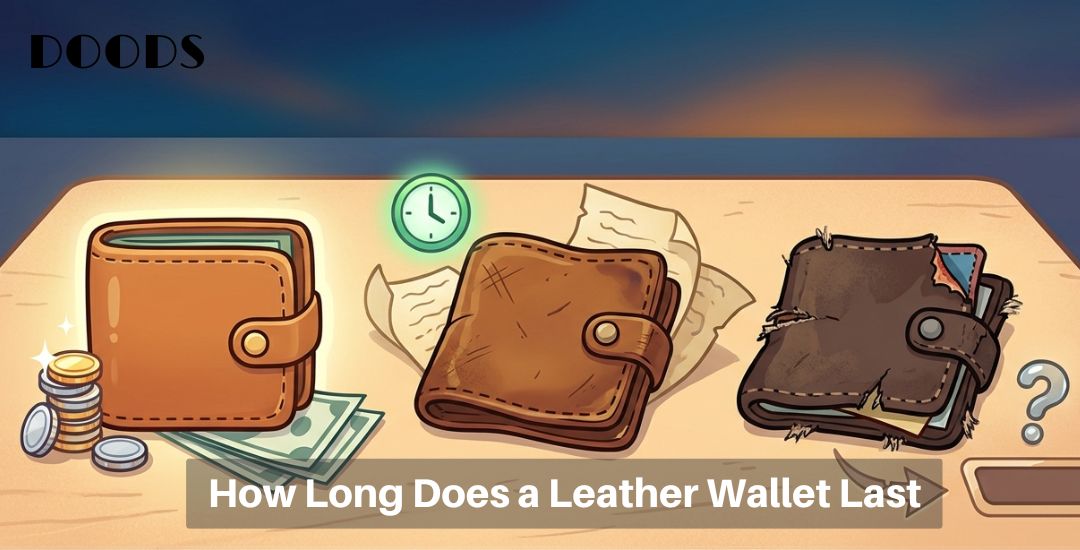
A good leather wallet can last more than ten years, while a cheap one may fall apart in less than two. The difference comes down to the type of leather, the stitching and how you carry it.
This guide explains how long each kind of leather wallet lasts, the signs that tell you it is time for a new one, and simple ways to make your wallet last longer. If you need a replacement, our best leather wallet brands in India guide lists brands known for long-lasting wallets.
Summarize this page using your favorite AI tools,
Short Answer: How Long Does a Leather Wallet Last?
A full-grain leather wallet lasts 10 to 15 years or more, top-grain lasts 5 to 10 years, and genuine (split) leather lasts 2 to 5 years. PU or faux leather usually lasts 1 to 2 years. Replace your wallet when the stitching breaks, the leather cracks at the fold, or cards start slipping out.
Leather Wallet Lifespan by Leather Type
Leather is graded by which layer of the hide it comes from. The top layer of the hide has the tightest fibres, so wallets made from it last the longest.
| Leather type | Typical lifespan | How it ages |
|---|---|---|
| Full-grain | 10 to 15+ years | Softens and develops a rich patina |
| Top-grain | 5 to 10 years | Stays smooth, wears slowly at the edges |
| Genuine (split) leather | 2 to 5 years | Surface peels or cracks at the fold |
| Bonded leather | 1 to 2 years | Flakes and separates |
| PU or faux leather | 1 to 2 years | Peels, cracks and loses shape |
What Makes a Leather Wallet Last Longer
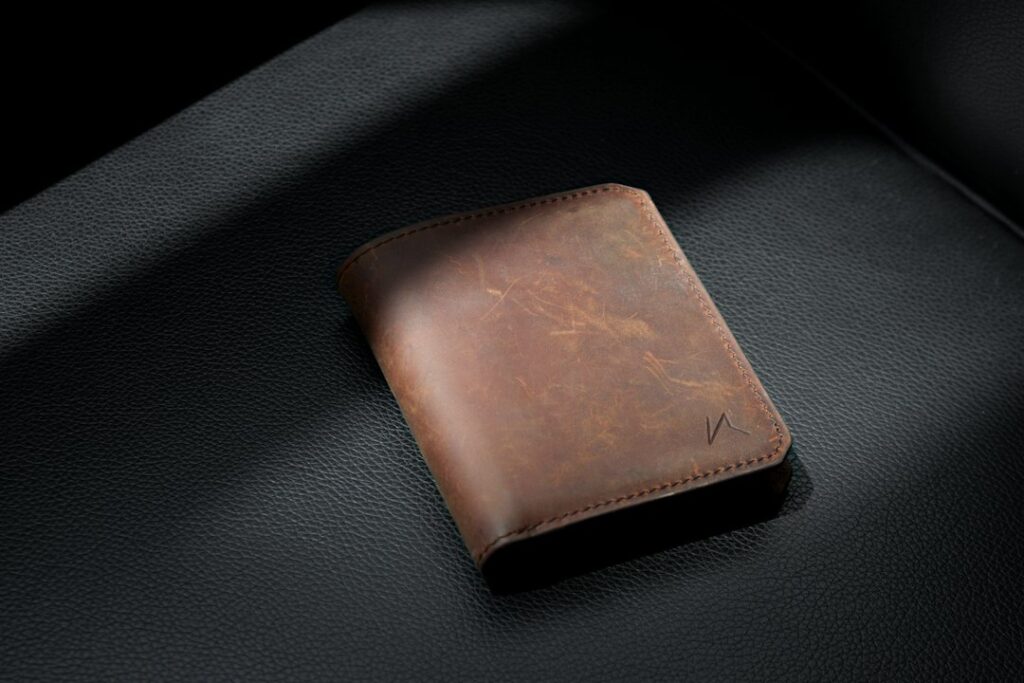
Leather grade: full-grain and top-grain outlast split and bonded leather by many years.
Stitching: tight, even stitches with strong thread hold the slots together. Loose stitching is the first thing to fail.
Edge finish: painted or burnished edges stop the layers from fraying.
How full you keep it: an overstuffed wallet stretches at the fold and cracks sooner.
Where you carry it: sitting on a wallet in a back pocket bends it every day.
To spot real leather before you buy, use our guide on how to check if a wallet is genuine leather.
7 Signs It Is Time to Replace Your Wallet
Broken stitching: threads coming loose at the slots or edges.
Cracks at the fold: deep lines that split the leather surface.
Peeling surface: a clear sign of PU, bonded or low-grade split leather.
Loose card slots: cards slide out when you open the wallet.
Torn lining or note section: notes catch or slip through gaps.
Lost shape: the wallet no longer closes flat.
Bad smell: sweat and moisture trapped in the leather that does not go away.
How to Make Your Leather Wallet Last Longer
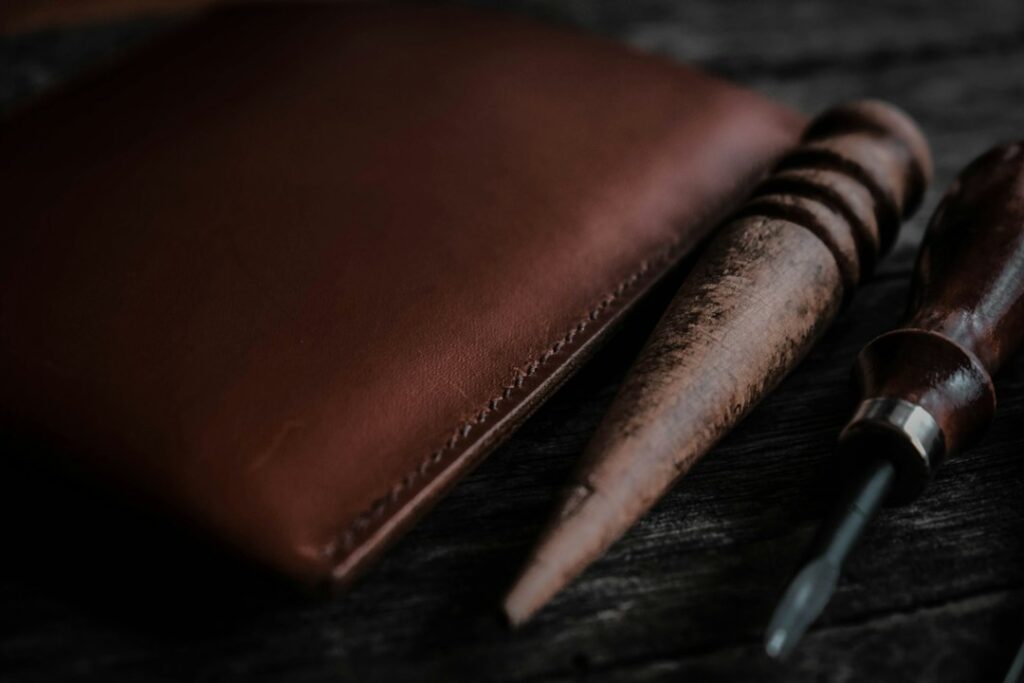
Do not overfill it: four to six cards and a few notes is enough.
Use the front pocket: it saves the wallet from being sat on all day.
Keep it dry: if it gets wet, wipe it and let it air dry, away from direct sun or heaters.
Clean it gently: wipe with a soft, dry cloth every few weeks.
Condition it: apply a little leather conditioner every 3 to 6 months, especially in dry weather.
Rest it: take it out of your pocket at home so it can hold its shape.
Natural leather also darkens and softens with use. This patina is a sign of good leather, not damage.
Which Wallet Brands Last the Longest?
Brands that use full-grain or top-grain leather usually last longest. Hidesign and Nappa Dori use full-grain leather, while Woodland and Teakwood Leathers use thick top-grain leather. See the best leather wallet brands in India list for prices and links, and our how to choose a leather wallet guide for what to check in the shop.
Choosing a colour for your next wallet? Darker shades hide wear better. Our best wallet colour for men guide explains which colour ages best.
Leather Wallet Lifespan FAQs
How long does a good leather wallet last?
A good full-grain leather wallet lasts 10 to 15 years or more with basic care. A top-grain wallet lasts about 5 to 10 years.
How often should you replace your wallet?
Replace it when the stitching breaks, the leather cracks, or cards no longer stay in the slots. For a cheap PU wallet this can be every year; for full-grain leather it may be over a decade.
Why does my leather wallet crack?
Cracking usually comes from dry leather, overfilling or sitting on the wallet. Low-grade split or bonded leather also cracks much sooner than full-grain.
Can a worn leather wallet be repaired?
Yes. A cobbler or leather repair shop can restitch slots and edges. Deep cracks and peeling surfaces usually cannot be fixed well.
Do more expensive wallets last longer?
Usually, but only when the extra price pays for better leather and stitching. Check that the wallet is full-grain or top-grain leather, not just a famous logo.
Buy Once, Buy Well
A full-grain leather wallet costs more at first but can outlast five cheap ones. Care for it, keep it slim, and replace it when the stitching or leather fails. When that time comes, start with the best leather wallet brands in India guide.