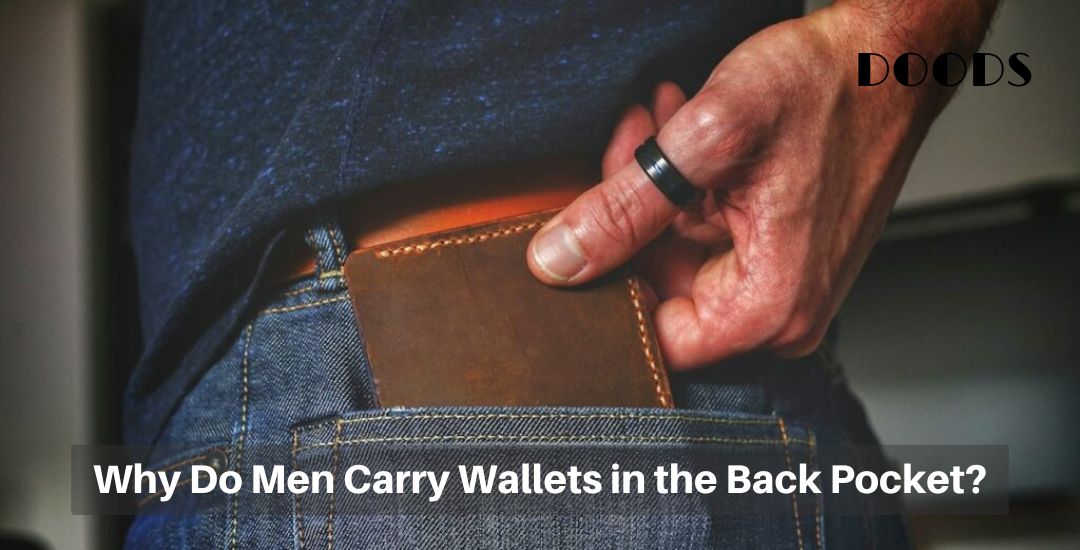
Men carry wallets in the back pocket mostly out of habit and because of how trousers are designed. The back pocket is flat, it keeps the front pockets free for a phone and keys, and it is where most of us were taught to put a wallet. The problem is that sitting on a thick wallet for hours can tilt your hips and press on the nerve that runs through the buttock.
This guide explains why the back pocket became the default, what sitting on a wallet does, and when a front pocket is the better place. For slim wallets that suit front-pocket carry, see the best leather wallet brands in India list.
Summarize this page using your favorite AI tools,
Short Answer: Is the Back Pocket a Bad Place for a Wallet?
It is fine for standing and walking, but not for long sitting. A thick wallet in the back pocket raises one side of your hips when you sit, which can lead to lower back or buttock pain over time. It is also the easiest pocket for a pickpocket. Take the wallet out when you sit for long, or switch to a slim wallet in the front pocket.
Why Men Carry Wallets in the Back Pocket
| Reason | What it means in daily life |
|---|---|
| Trouser design | Back pockets are flat and deep enough for a bifold, while front pockets are angled |
| Front pockets are taken | Phone, keys and bike keys usually go in the front |
| Habit | Most men copy what their fathers did and never change |
| Easy reach | The wallet comes out quickly at a shop counter or toll booth |
| Bulky wallets | A thick bifold looks and feels worse in a front pocket |
What Happens When You Sit on Your Wallet

When you sit on a wallet, one hip sits higher than the other. Your spine bends slightly to keep you level, and the muscles on that side stay tense. A 2 cm wallet is enough to cause this, and most office chairs and bike seats make it worse.
The wallet also presses on the piriformis muscle in the buttock, which sits over the sciatic nerve. Doctors sometimes call the result “wallet sciatica” or “fat wallet syndrome”: pain, tingling or numbness in the buttock or down the back of the leg. If you have pain like this that does not settle after you stop sitting on your wallet, see a doctor.
Back Pocket vs Front Pocket
| Point | Back pocket | Front pocket |
|---|---|---|
| Comfort when sitting | Poor with a thick wallet | Good |
| Pickpocket risk | Higher, hard to feel | Lower, you feel any touch |
| Fits a thick bifold | Yes | Uncomfortable |
| Fits a slim wallet or card holder | Yes | Yes |
| Wear on the wallet | Bends and cracks faster | Less pressure |
| Wear on trousers | Visible wallet outline over time | Less visible |
Is It Safe to Keep a Wallet in the Back Pocket?
In crowded buses, trains, temple queues and markets, the back pocket is the easiest target. You cannot see it and you rarely feel a light pull. A wallet that sticks out of the pocket is an even easier lift.
If you travel by bus or local train, move the wallet to a front pocket for the trip, or use a buttoned back pocket if your trousers have one.
Where Should You Keep Your Wallet?
The best place depends on what you are doing. These are simple rules that work for most days.
| Situation | Where to keep it | Why |
|---|---|---|
| Sitting at a desk all day | Desk drawer or bag | No pressure on the hips |
| Riding a bike or scooter | Front pocket or bag | Bike seats press the wallet hard |
| Driving a car | Front pocket or the car's tray | Long sitting with no breaks |
| Bus, train or crowded market | Front pocket | Lower pickpocket risk |
| Walking or standing | Back pocket is fine | No pressure when standing |
| Formal wear or suits | Inside jacket pocket | Keeps trousers smooth |
How to Make Front Pocket Carry Work
Go slim: a slim bifold or card holder fits a front pocket without a bulge. Compare the options in wallet vs money clip vs card holder.
Carry fewer cards: four to six daily cards is enough for most people. Leave the rest at home.
Clear out receipts: old bills are the most common reason a wallet gets thick.
Use UPI for small payments: carrying less cash keeps the wallet thin.
Slim Wallet Brands for Front Pocket Carry
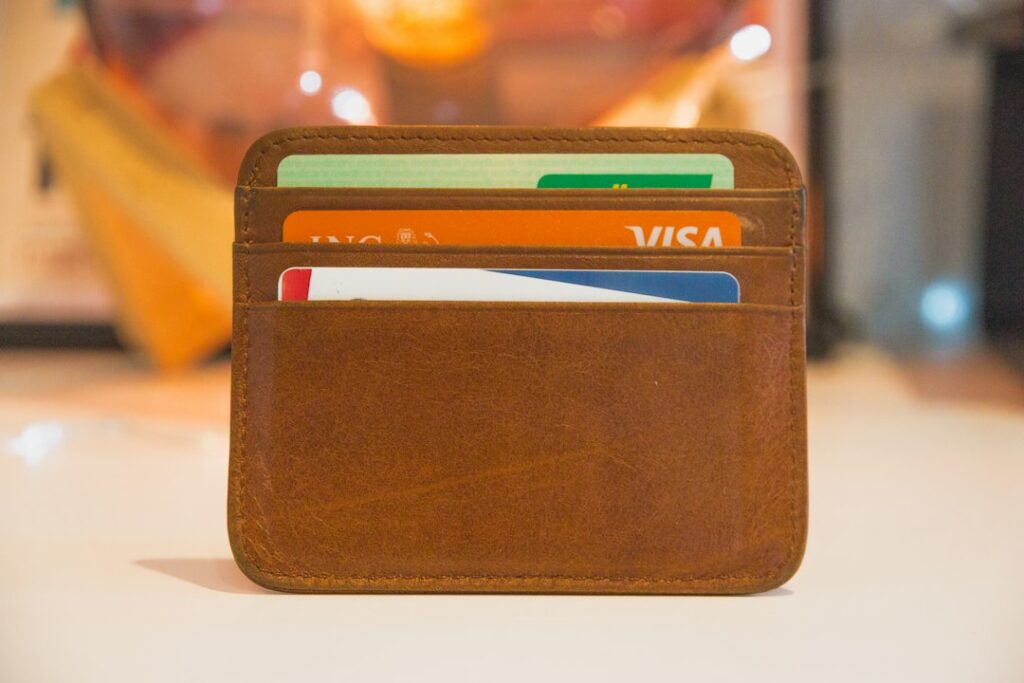
Urban Forest: slim cardholder wallets, ₹400 to ₹800.
AL FASCINO: compact bifolds that sit easily in a front or back pocket, ₹350 to ₹650.
Check the wallet’s thickness and slot count on the product page before you buy. Our guide on how to choose a leather wallet explains what to look for, and the best leather wallet brands in India list links to each brand’s official site.
Back Pocket Wallet FAQs
Is it bad to sit on your wallet?
Sitting on a thick wallet for a long time is bad for your posture. It raises one hip and can press on the sciatic nerve. A short sit is not a problem, but take the wallet out for long drives or desk work.
Can a wallet in the back pocket cause back pain?
It can contribute to lower back and buttock pain, especially with a thick wallet and long hours of sitting. If the pain continues after you stop sitting on your wallet, see a doctor.
Which pocket is safest for a wallet?
A front pocket. You can feel any touch, and it is much harder to reach in a crowd than a back pocket.
Why do men not carry wallets in the front pocket?
Most men carry thick bifolds that feel bulky in a front pocket, and the front pockets already hold a phone and keys. A slim wallet solves both problems.
What type of wallet is best for the front pocket?
A slim bifold or card holder with four to six slots. See wallet vs money clip vs card holder for a full comparison.
Switch to a Slim Wallet
If you sit for long hours or ride a bike daily, move your wallet to the front pocket and keep it slim. Start by comparing slim options in the best leather wallet brands in India list, then read wallet vs money clip vs card holder to pick the right type.